Turning food waste into clean energy for a leading food manufacturer in South Africa
A major food processing facility in South Africa was facing rising energy costs, increasing landfill tax liability, and growing pressure to meet its net zero commitments — all while managing over 12,000 tonnes of organic waste per month.
The Challenge
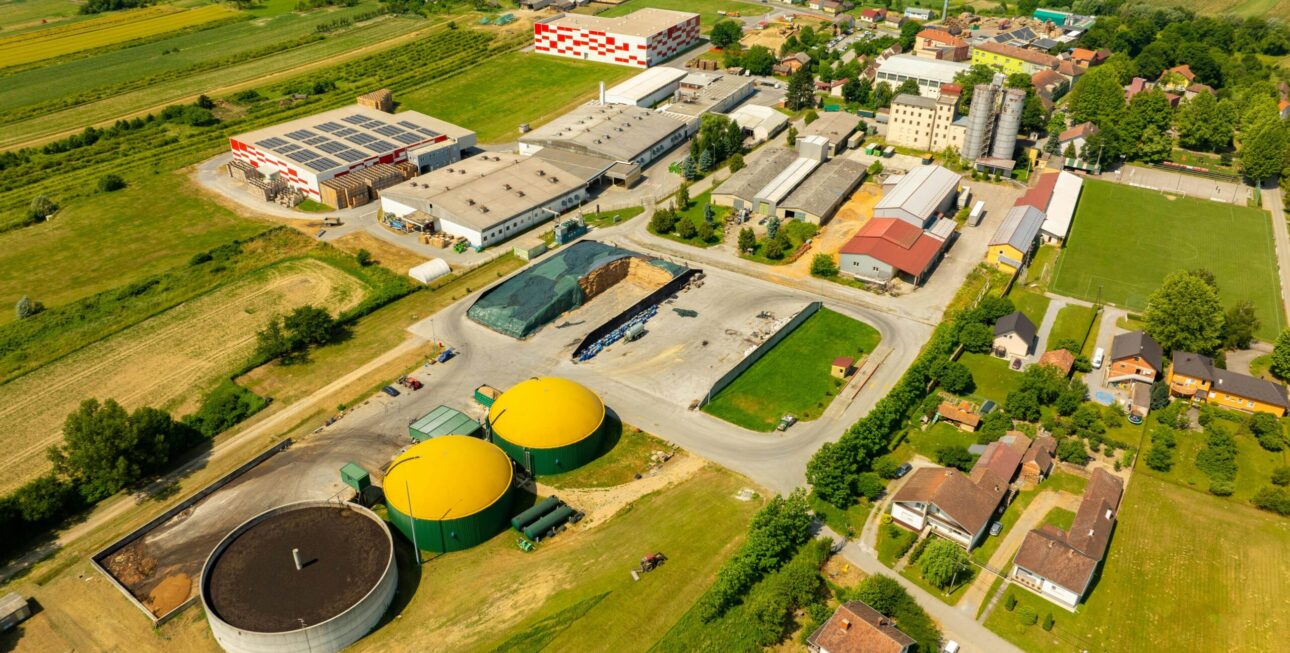
Anaerobic Digestion On-Site Energy Generation.
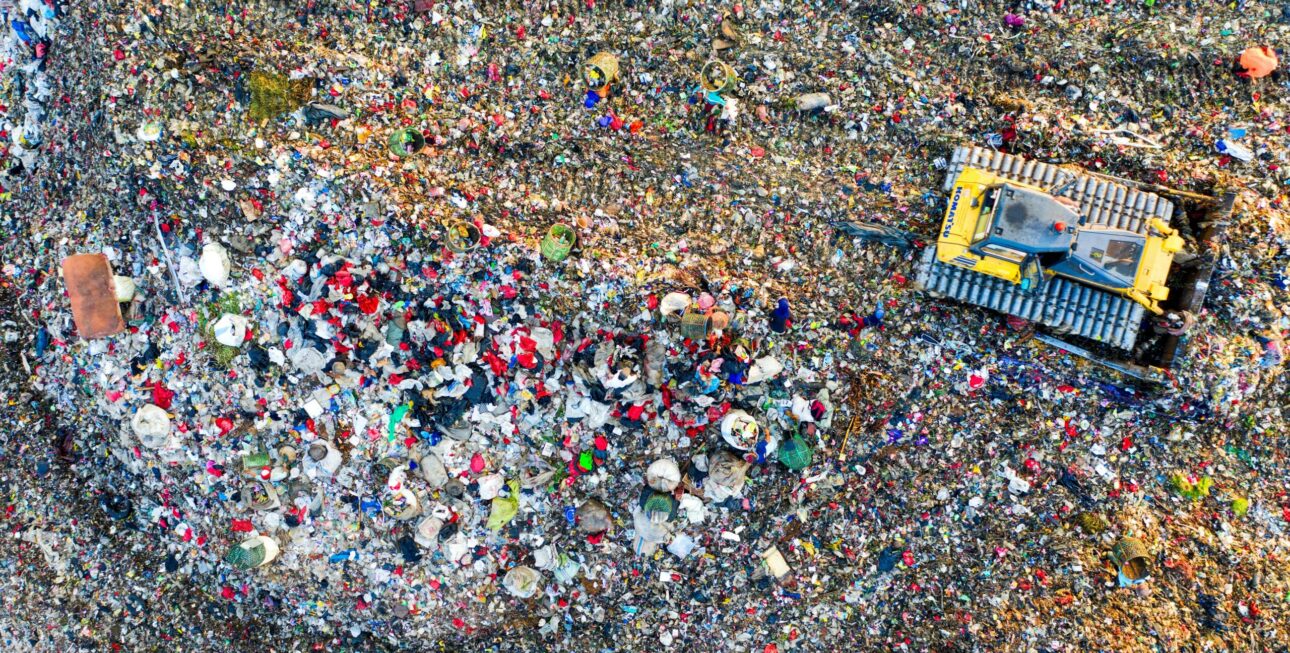
The facility was disposing of significant volumes of organic by-products — including food-grade slurries, vegetable trimmings, and process wastewater — through costly commercial waste contracts and, in part, to landfill. Escalating gate fees, combined with the landfill tax surcharge, were creating an unsustainable cost burden.
Simultaneously, the business had committed to a 50% reduction in Scope 1 and 2 carbon emissions by 2030, with no credible pathway to achieve this under its existing energy model. Leadership required a solution that would address waste disposal costs, energy expenditure, and carbon targets concurrently.
Process overview & principal equipment setup
The Solution
We conducted a detailed characterisation of the site’s waste streams, assessing calorific value, moisture content, and biological oxygen demand to confirm suitability for anaerobic digestion. Following a feasibility study, we designed and installed a bespoke on-site AD facility capable of processing the full annual organic output.
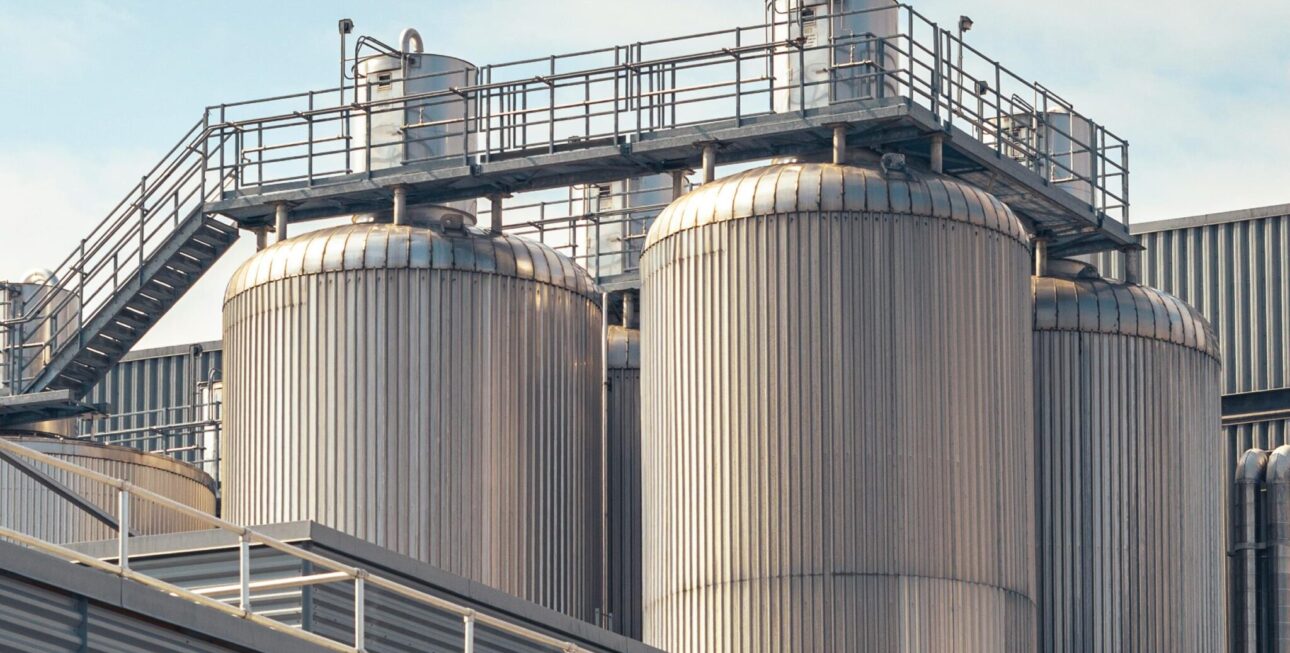
Feedstock is now collected directly from the production line and fed into enclosed digestion vessels, where microorganisms break it down in the absence of oxygen to produce biogas. That biogas is then combusted in a combined heat and power (CHP) unit, generating electricity to power the factory and heat to support manufacturing processes. The digestate by-product is processed and supplied to local agricultural partners as a certified biofertiliser, ensuring a genuinely circular outcome with zero residual waste.
Value Delivered
It was concluded that the supplied equipment exceeded the purchasing brief by a significant margin during pre-commissioning and optimisation in the test bay.
The case study evidence shows stronger-than-required throughput, higher liquid yield, lower operating fuel demand, compliant diesel output, and laboratory confirmation of sulphur and cetane performance.
4.2 GWh
Clean electricity generated annually
3,800 t
CO₂e avoided per year
62%
Reduction in purchased grid electricity
Value Delivered
The AD facility has transformed what was once a significant operational liability into a strategic energy asset. The client now generates the equivalent of 62% of its on-site electricity demand from waste that previously incurred disposal costs. Combined energy and waste savings deliver an annual financial benefit in excess of 15million South African Rand, with the full project investment recovered within a six-year period. Carbon emissions associated with energy consumption have fallen by more than a third, with the site now on a credible trajectory to achieve its 2030 net zero target. The biofertiliser offtake agreement has further cemented the facility’s credentials as a zero-waste-to-landfill operation.
Get In Touch
Ready to transform your waste into a resource?
We’d love to hear from you — whether you’re interested in the project, partnership, or simply have a question.
Managing residual plastic waste with limited options? Talk to our advanced recycling team to find out whether plastics-to-fuel conversion is viable for your material streams.