Converting end-of-life plastics into ultra-low sulphur diesel at scale
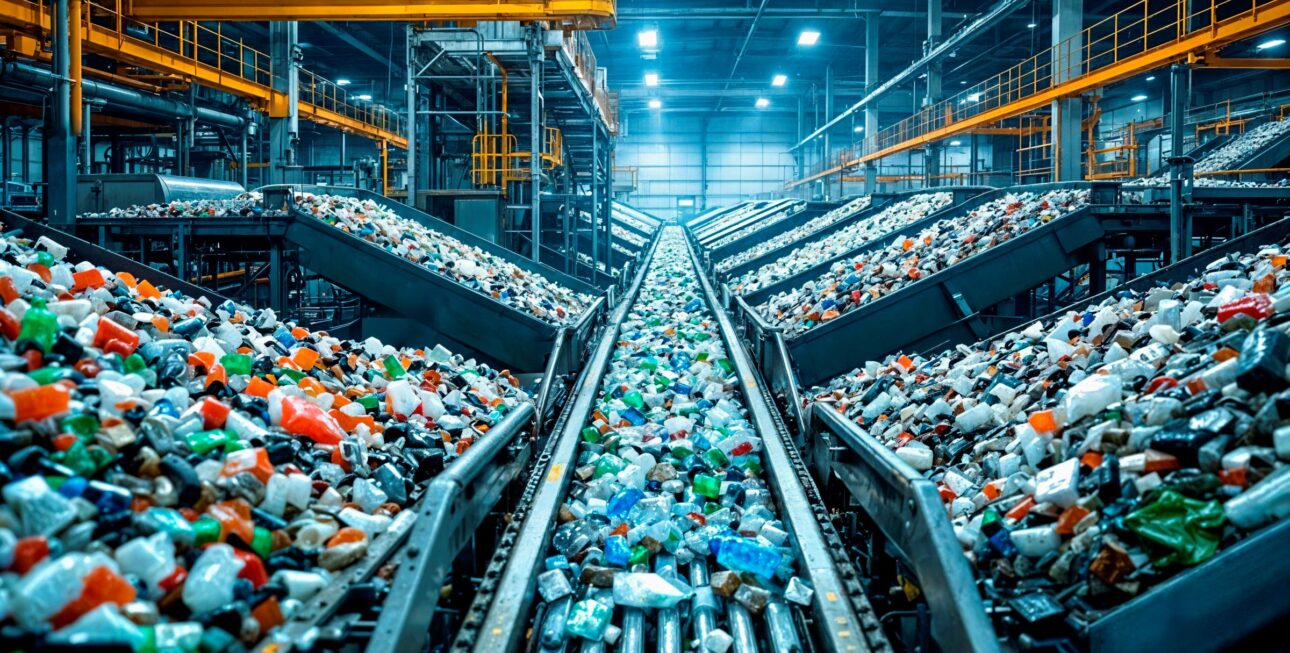
A regional waste management operator in the State of California (USA) was receiving over 25,000 tonnes per year of mixed, non-recyclable plastics — material that had exhausted conventional recycling routes and was destined for energy recovery or export. The operator needed a higher-value, lower-carbon alternative.
The Challenge
Advanced Pyrolysis Plastics-to-Fuel Production Circular Economy
Mixed post-consumer and industrial plastics — including polypropylene, polyethylene, and polystyrene waste that falls outside the scope of mechanical recycling — represented a growing proportion of the operator’s residual intake. Global export markets for such material had contracted sharply following international regulatory changes, leaving gate fee income under sustained pressure.
Landfill and incineration remained the only current disposal routes, each carrying significant cost and carbon implications. The operator sought a proven, consented solution capable of processing this material at commercial scale, one that would deliver a marketable output, reduce disposal costs, and align with its Environmental, Social and Governance commitments to its local authority clients.
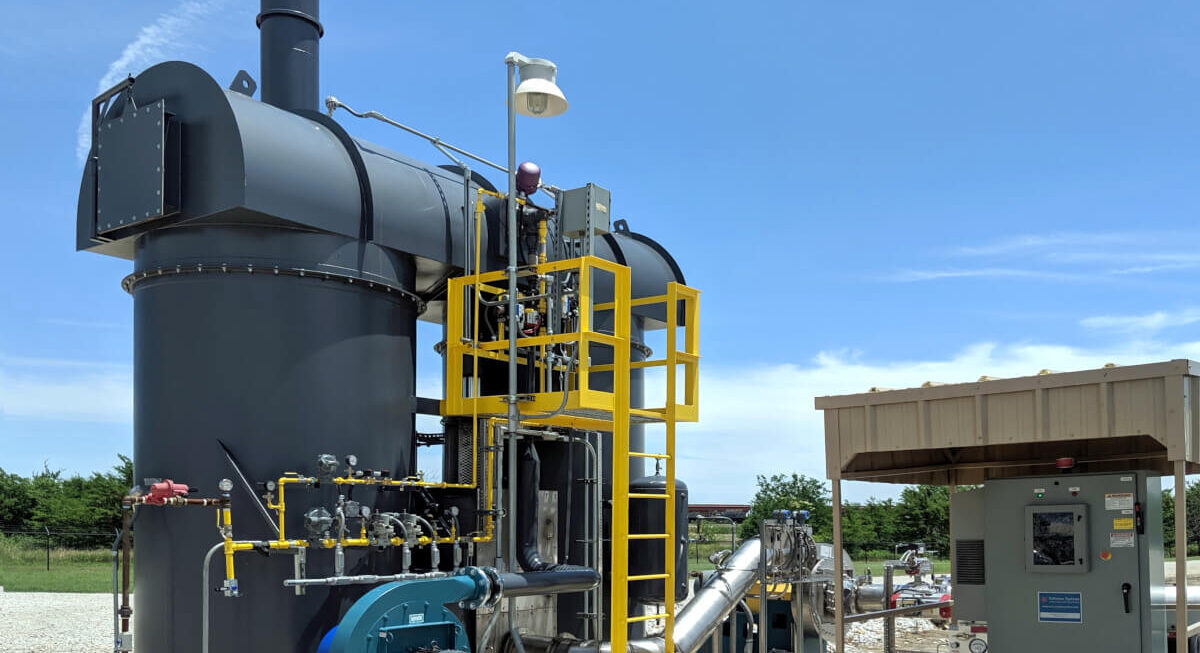
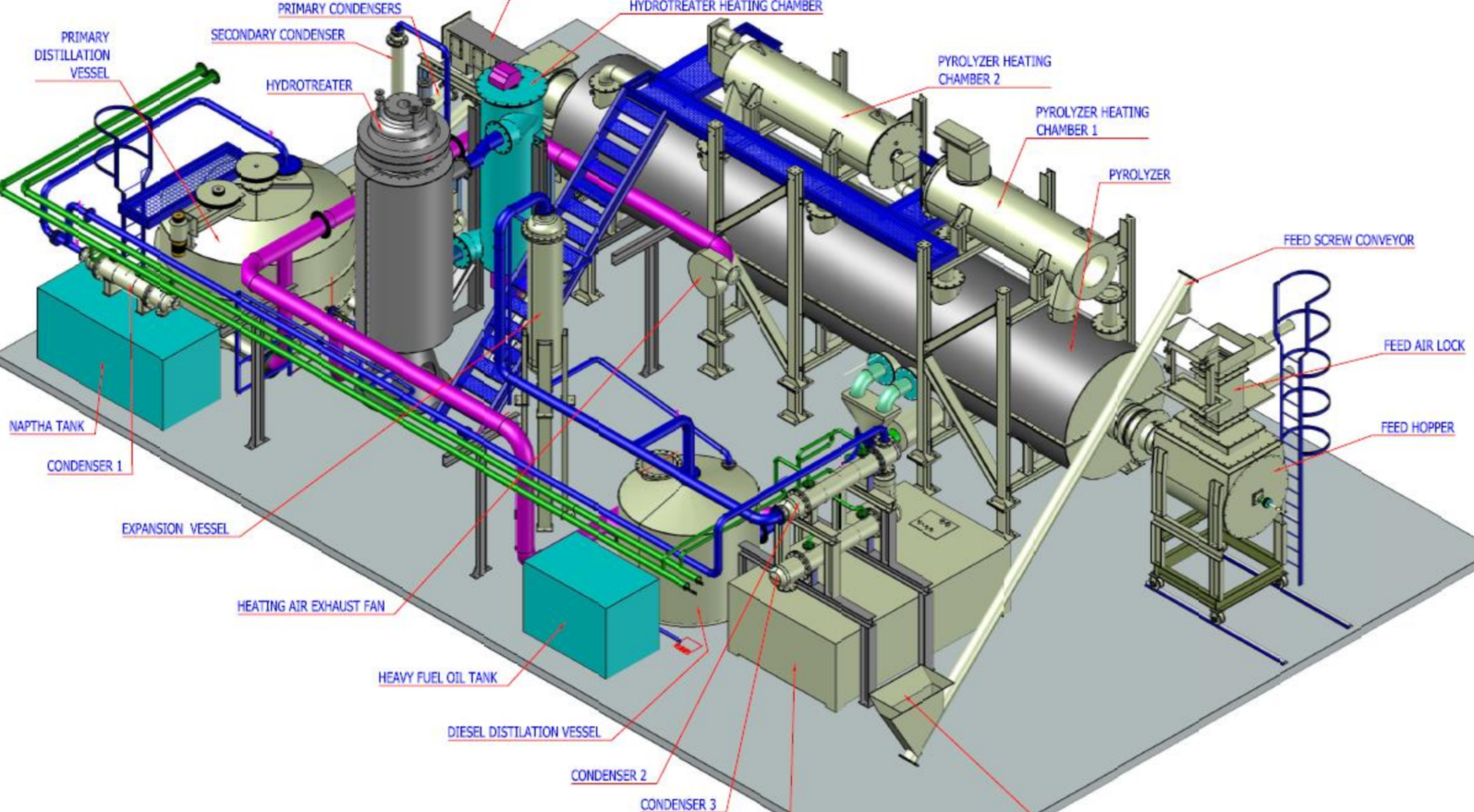
Process overview & principal equipment setup
The Solution
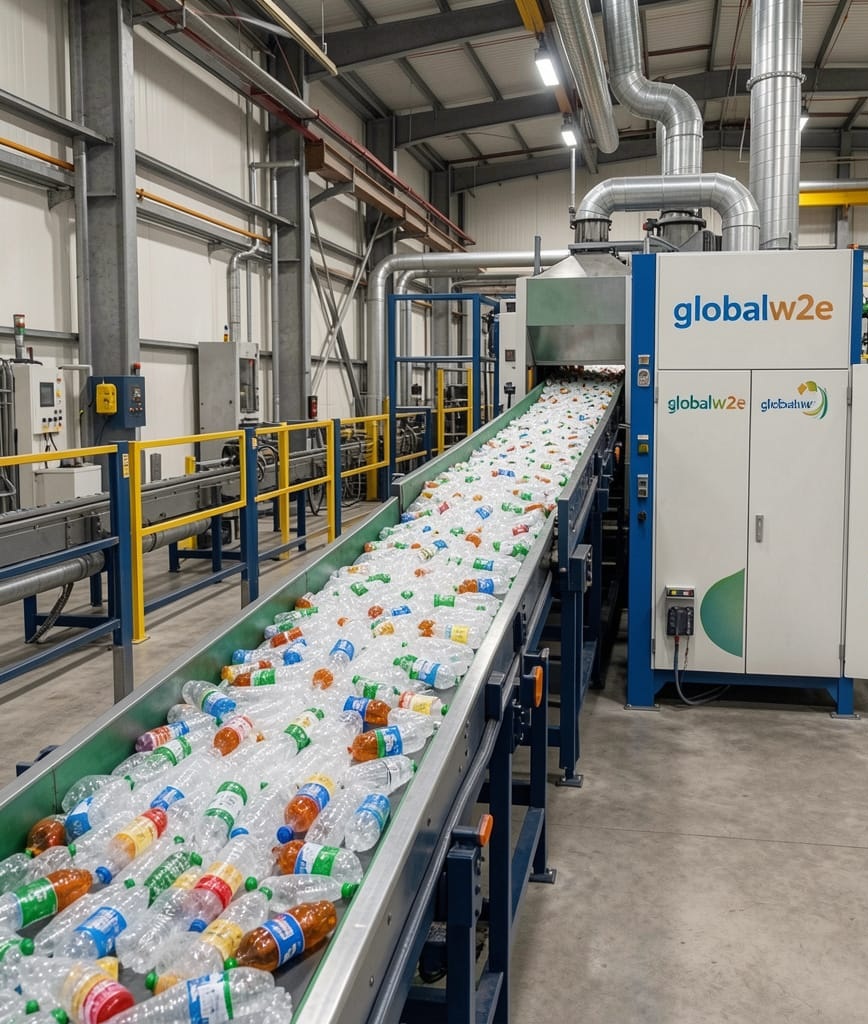
We partnered with the operator to commission and operate a dedicated plastics-to-fuel facility on an existing permitted industrial site. The process employs advanced catalytic pyrolysis technology, in which shredded plastic feedstock is heated in an oxygen-free environment to temperatures exceeding 450°C, causing the long polymer chains to break down into shorter hydrocarbon molecules. These vapours are condensed, refined, and processed through a multi-stage distillation and hydro treatment unit to produce Ultra-Low Sulphur Diesel meeting EN 590 specification — a fully fungible transport fuel suitable for direct use in commercial vehicles and our installed plant without modification.
The facility operates continuously across three shifts, processing up to 70 tonnes of plastic per day. A dedicated quality assurance laboratory on site ensures every batch meets the required fuel specification before internal use. Residual pyrolysis char is recovered and utilised as a supplementary fuel within an adjacent energy recovery process, ensuring that no fraction of the feedstock is wasted.
Value Delivered
It was concluded that the supplied equipment exceeded the purchasing brief by a significant margin during pre-commissioning and optimisation in the test bay.
The case study evidence shows stronger-than-required throughput, higher liquid yield, lower operating fuel demand, compliant diesel output, and laboratory confirmation of sulphur and cetane performance.
25,000 t
Plastic diverted from landfill annually
10ML
Ultra-low sulphur diesel produced per year
£1.1M
Annual net improvement vs. prior disposal route
Value Delivered
The facility has fundamentally changed the economics of non-recyclable plastic management for the operator. What previously represented a net cost — gate fees, haulage, and disposal charges — now generates a revenue-positive outcome, with each tonne of plastic producing approximately 500 – 700 litres of EN 590 diesel. The combined effect of eliminated disposal costs and diesel production delivers an annual net financial improvement of over £1.1 million compared to the prior disposal model. Independent lifecycle analysis confirms a 41% reduction in carbon intensity relative to virgin petroleum diesel production, a figure that supports the operator’s clients in meeting their own Scope 3 emission reduction targets. The project stands as a demonstrable proof of concept for advanced chemical recycling at commercial scale, and has attracted significant interest from other local authority and industrial waste operators seeking to replicate the model.
Get In Touch
Ready to transform your waste into a resource?
Discuss your plastic waste challenge with our experts today!
Managing residual plastic waste with limited options? Talk to our advanced recycling team to find out whether plastics-to-fuel conversion is viable for your material streams.